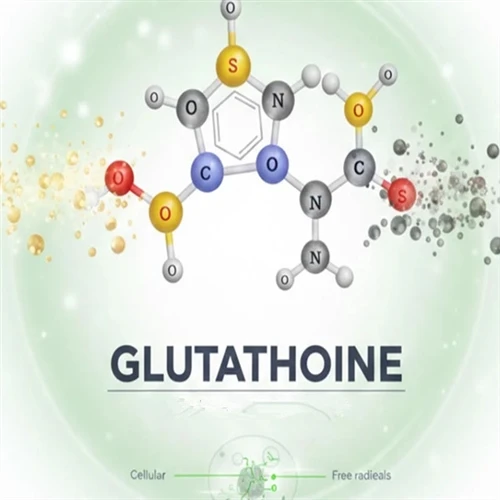
In the cosmetics field, the form of peptide raw materials (solution and powder) directly determines the product's stability, formulation difficulty, user experience, and ultimate efficacy. Cosmetic peptide solutions and peptide powders each have their own significant advantages and disadvantages.
1. Cosmetic peptide solution
Advantages:
High formulation compatibility and production efficiency: Peptide solution can be directly added to formulations, offering strong compatibility, high production efficiency, and the most worry-free formulation process.
Good solubility and prevents caking: peptide raw materials themselves are short-chain amino acid fragments and must be added in solution form in skincare products. If powder is directly added to skincare products, it can easily cause clumping and sedimentation, making it impossible to produce qualified products.
High absorption efficiency: The peptide solution has good water solubility and can be directly absorbed and utilized by the skin without the need for secondary decomposition, resulting in a very high absorption and utilization rate.
Formulation stability: Under professional formulation systems, peptide solutions can integrate well with penetration promotion and preservative systems, ensuring product stability after application.
Disadvantages:
Dilution of the active substance: Polypeptides are less stable in solution than lyophilized powder, and the concentration of the active substance is diluted by solvents.
Solvent allergy risk: To maintain peptide dissolution and stability, solvents such as propylene glycol or ethanol may be added to the solution, which can become hidden allergens.
Easily degraded by bacteria: Peptides are easily contaminated and degraded by bacteria in solution, so sterile handling and preservation systems are required, and long-term storage in solution form is not recommended.
2. Cosmetic Peptide Powder (including lyophilized powder)
Advantages:
Ultimate freshness retention and high activity: Using freeze-drying technology, it minimizes damage to active ingredients caused by heating, evacuates moisture under low-temperature vacuum, and fully preserves the bioactivity of peptides, greatly improving stability.
High safety and reduced preservatives: Because freeze-dried powder greatly reduces moisture content, making it difficult for microorganisms to survive, preservatives can be reduced or even omitted, making it more friendly for sensitive skin and post-cosmetic procedures.
Low transportation and storage costs: The powder is easy to transport in its form, has a relatively long shelf life, and purchasing raw powder in bulk is usually more cost-effective than commercial finished products.
Disadvantages:
Complicated to use and high operational threshold: Lyophilized powder must be mixed with the matching solvent, making operation cumbersome, with a high user error rate (up to 37%), and vigorous shaking that can cause bubbles that affect activity is also avoided.
High solubility and formulation requirements: The powder has poor solubility, and if made at home or with improper formulas, it easily clumps. At the same time, peptides are sensitive to pH and metal contamination, so compatibility with base emulsions must be ensured.