With global aging on the rise, people are increasingly interested in anti-aging supplements that can extend lifespan and slow down age-related diseases. In recent years, NMN has attracted a lot of attention from scientists and consumers alike. In theory, NMN, as a precursor to synthesizing NAD, can slow down the age-related depletion of NAD by increasing NAD levels in the body, so it can serve as an anti-aging supplement. Additionally, mitochondrial decay leads to aging, and higher NAD levels in the body can reverse mitochondrial decay.
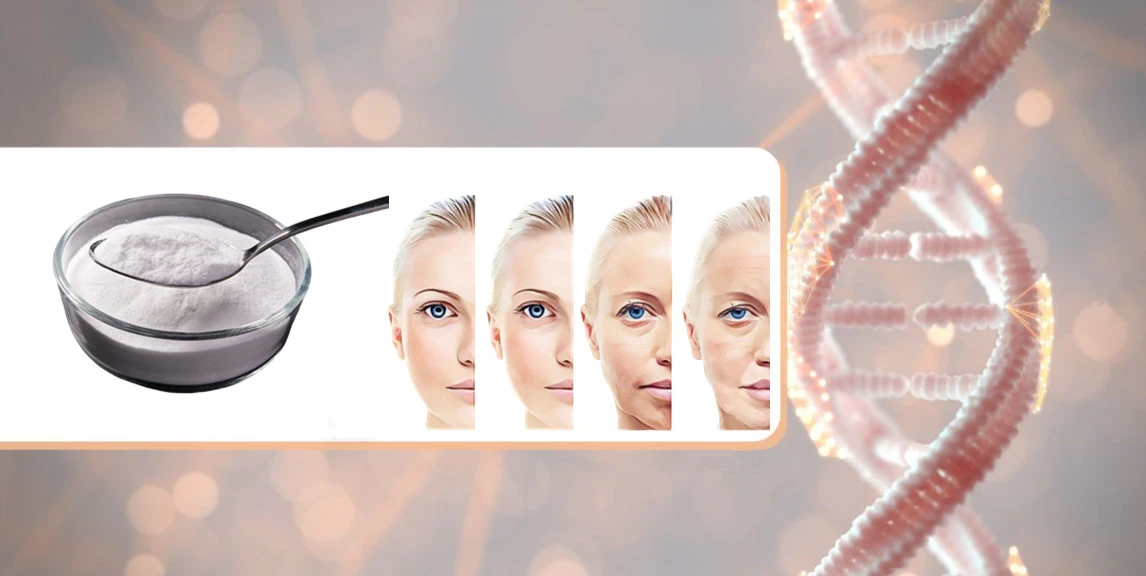
Scientists have conducted extensive research on NMN's anti-aging effects through cell tests, animal models, and clinical trials. There is evidence that NMN can have beneficial effects in rodent models and humans, such as protecting endothelial cells and improving blood flow, enhancing metabolic function, and protecting the nervous system. In 2021, a randomized double-blind clinical trial gave 25 postmenopausal overweight or obese women with prediabetes NMN orally (250 mg/day) for 10 weeks. Compared to the placebo group, NMN improved muscle insulin sensitivity in the treatment group. A similar study in 2023 treated 36 healthy adults (aged 40–59, 38.9% male) with NMN (250 mg/day) for 12 weeks. The treatment group showed significantly higher serum nicotinamide (a NAD metabolite) levels compared to the placebo group, and arterial stiffness tended to decrease, though not statistically significant.
It's worth noting that some studies suggest that NMN accumulation might cause axon degeneration, which is an early symptom of many neurodegenerative diseases. Clearly, more research is still needed on the safety of NMN.
 English
- English
- Français
- Deutsch
- 日本語
- Italiano
- Español
- Português
- русский
- 한국어
- Nederlands
- Lietuvių
- suomi
- עברית
- اردو
- Svenska
- Ελληνικά
- Việt Nam
- íslenska
- magyar
- हिंदी
- Kreyòl Ayisyen
- Gaeilgenah Éireann
- Melayu
- Bai Miaowen
- Cymraeg
- hrvatski
- slovenščina
- ไทย
- Latviešu
- عربي
- فارسی
- বাংলা
- Norsk
- Čeština
- Malti
- Srbija jezik (latinica)
- bosanski
- dansk
- Български
- Eesti
- slovenčina
- O'zbek
- Indonesia
- Polski
- Català
- українська
- România limbi
- Türkçe



Send Inquiry