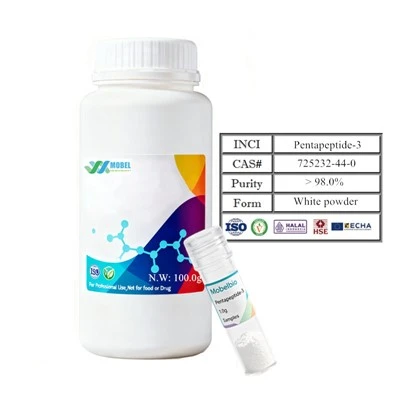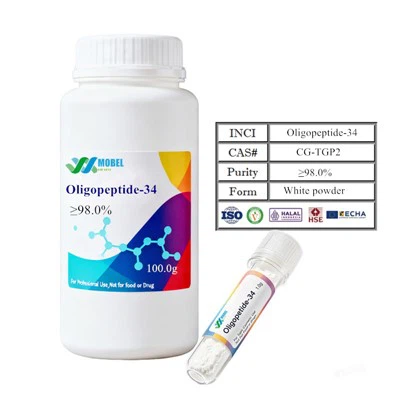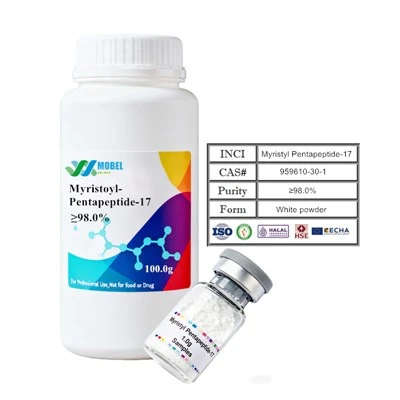
As the global skincare ingredient market continues to shift toward high-performance and precision-driven efficacy, cosmetic peptides have become one of the most important bioactive components in advanced formulations. They are widely applied in anti-aging, skin repair, and barrier-strengthening products. For procurement professionals, understanding their core functions is essential for making informed sourcing decisions and enhancing product competitiveness.

From a functional standpoint, the primary roles of cosmetic peptides can be summarized as follows:
First, they support skin renewal and anti-aging performance. Certain peptides are able to stimulate fibroblast activity, promoting the synthesis of collagen and elastin. This helps improve skin firmness and reduce the appearance of fine lines and wrinkles, contributing to a more youthful skin profile.
Second, they enhance skin repair and barrier recovery. In conditions where the skin is compromised, specific repair-oriented peptides participate in cellular regeneration processes, helping restore skin integrity and improve resilience against external stressors.
Third, they help regulate neuromuscular activity to address expression lines. Neurotransmitter-modulating peptides can reduce excessive muscle contraction, thereby softening dynamic wrinkles and creating a smoother skin appearance.
Besides, cosmetic peptides may provide supportive antioxidant and anti-inflammatory benefits, helping to reduce damage caused by environmental stress and supporting long-term skin health.
From a procurement perspective, peptide ingredients with clearly defined mechanisms of action, clinically supported data, and consistent batch quality are more likely to secure long-term partnerships with skincare brands. As demand for precision skincare continues to rise, the application scope of cosmetic peptides is expanding rapidly.