1. Base Ingredients
These form the primary structure and determine the overall texture and physical properties of the product. They typically make up the largest proportion of the formula.
Oils and Waxes: Provide moisturizing, softening, and protective effects. Examples include mineral oil, shea butter, jojoba oil, and squalane.
Powders: Used primarily in makeup products (like foundations and eyeshadows) for coverage, filling, and absorbing excess oil. Examples include talc, kaolin, and mica.
Solvents: Act as a medium to dissolve other ingredients. Water and ethanol are the most common.

2. Functional / Active Ingredients
These are added to provide specific benefits or physiological effects on the skin and hair.
Moisturizers: Help retain water in the skin. Examples include glycerin, hyaluronic acid, and ceramides.
Whitening/Brightening Agents: Target hyperpigmentation by inhibiting melanin production. Examples include niacinamide, vitamin C derivatives, and arbutin.
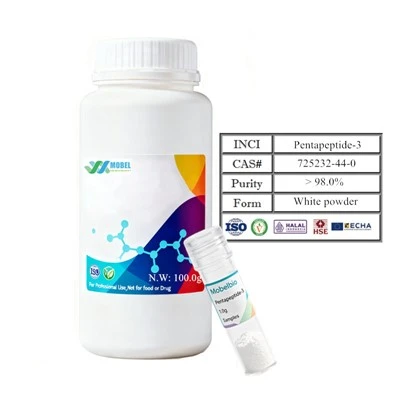
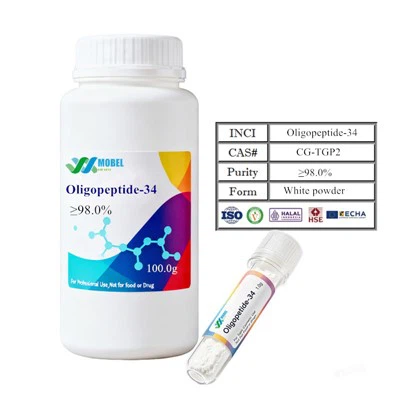
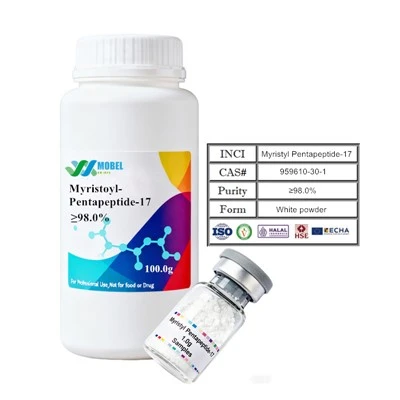
Anti-aging & Antioxidants: Stimulate collagen or protect against free radical damage. Examples include retinol, peptides, and vitamin E.
Exfoliants: Promote cell turnover. Examples include salicylic acid.
Sunscreen Agents: Protect against UV rays, either chemically (e.g., avobenzone) or physically (e.g., zinc oxide, titanium dioxide).
3. Auxiliary Ingredients
Although used in smaller amounts, these are essential for product stability, safety, and sensory appeal.
Surfactants: Act as cleansing agents or emulsifiers to mix oil and water. Examples include sodium lauryl sulfate and cocamidopropyl betaine.
Preservatives: Prevent microbial growth and extend shelf life. Examples include phenoxyethanol, parabens, and potassium sorbate.
pH Adjusters: Maintain the product's acidity to match the skin's natural barrier. Examples include citric acid and triethanolamine.
Colorants: Provide pigment and color, often identified by CI numbers (e.g., CI 77491).
Fragrances: Improve the scent and overall user experience.
Keywords: Cosmetic ingredients supplier