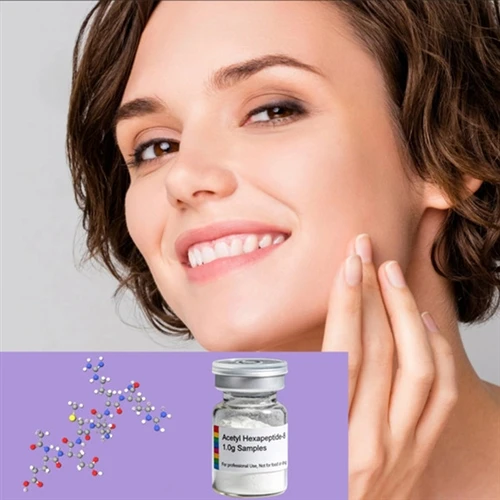
In the industrial application of functional skincare ingredients, performance testing of peptide solutions is a critical step in ensuring product consistency and reliable end-use efficacy. As the premium skincare market increasingly emphasizes standardization and traceability of raw materials, a systematic testing framework has become a key reference for procurement decisions and supplier evaluation.
From an industry practice perspective, performance testing of peptide solutions typically focuses on physicochemical properties, bioactivity performance, and application stability, covering several core dimensions:
First, content and purity analysis. Using high-performance liquid chromatography (HPLC) and related analytical methods, the actual concentration of target peptides and impurity levels are accurately measured to ensure compliance with specification requirements. This parameter directly determines the fundamental efficacy of the ingredient.
Second, structural and sequence verification. Techniques such as mass spectrometry are used to confirm molecular structure and amino acid sequence integrity, ensuring consistency with the designed peptide and preventing functional deviations caused by structural errors.
Third, physicochemical stability testing. This includes evaluation under different conditions such as pH variation, temperature exposure, light exposure, and long-term storage. These tests assess the stability profile of peptide solutions across real-world environments.
Fourth, microbiological and safety testing. Parameters such as total microbial count and pathogen screening are conducted to ensure compliance with cosmetic raw material safety standards, guaranteeing end-use safety.
In addition, bioactivity evaluation is an important component in high-end peptide testing, including assays for collagen stimulation, antioxidant capacity, or cellular activity, which help assess real biological performance.
From a procurement perspective, suppliers with comprehensive testing systems, third-party certification reports, and traceable quality documentation are more likely to establish long-term trust with brand owners. In the premium skincare ingredient market, transparency in performance testing has become a key differentiator in supply chain competitiveness.