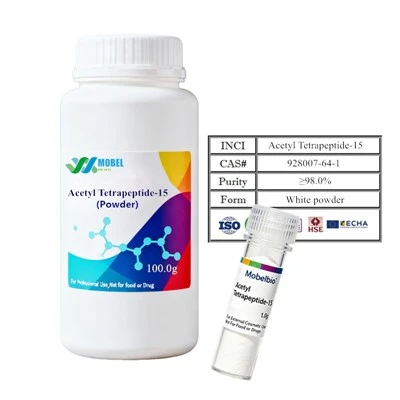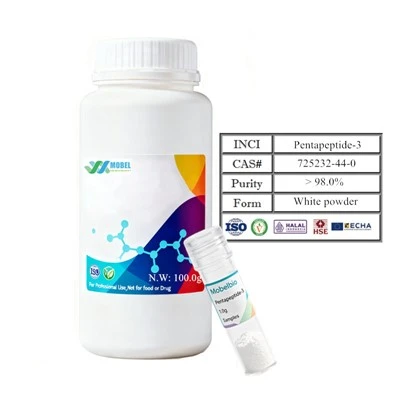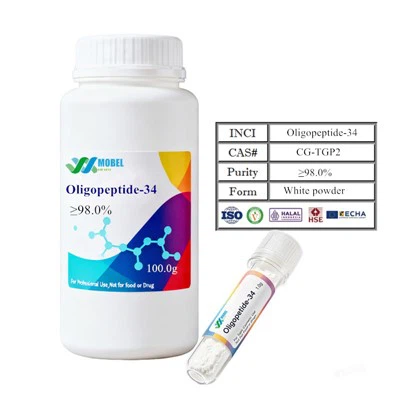
Synthetic peptides act as a bridge connecting basic nutrition' and 'precision health, with their core value lying in breaking through the limitations of traditional large-molecule proteins and single amino acids. They provide highly competitive foundational technology support for the high-end functional ingredient market. Their core value is mainly reflected in the following strategic dimensions:
1. Extreme precision and high bioactivity
Synthetic peptides are engineered products with specifically defined sequences and properties. Because the precise arrangement of amino acids determines their function, synthetic peptides allow for complete control over amino acid sequences, giving them strong targeting ability and high bioactivity. Compared to proteins, they are smaller and easier to absorb; compared to amino acids, they offer thousands of different functional combinations (such as promoting calcium absorption, regulating metabolism, or easing emotions), making them ideal precision health intervention factors.
2. Outstanding safety and high purity assurance
During manufacturing, synthetic peptides avoid the common impurities that come from natural extraction, ensuring high purity and consistency. In pharmaceuticals and vaccines, synthetic peptides only use harmless fragments of pathogens, without carrying live biological material, significantly reducing the risk of triggering allergies or autoimmune reactions and ensuring extremely high safety. In food and cosmetic applications, their derivation from everyday foods or artificially optimized properties also guarantees very high safety standards.
3. Powerful engineering customization and continuous innovation
Synthetic peptides offer great flexibility for R&D. By altering the number, type, and spatial structure of amino acids, and using techniques like biomimicry, sequence optimization, and structural modification, they can theoretically produce a wide variety of innovative molecules with multiple effects. For example, for anti-aging, tissue engineering, or specific disease pathways, scientists can design cutting-edge functional ingredients like light-activated peptides, self-assembling peptide hydrogels, or tumor-homing peptides. This high degree of customization perfectly meets the fast-paced iteration requirements of the high-end functional ingredient market.
4. Superior stability and cost-effectiveness for mass production
Traditional peptide development faces challenges like easy enzymatic degradation, poor stability, and high synthesis costs. Modern synthesis technologies (like solid-phase peptide synthesis, SPPS), combined with AI molecular design platforms, allow simultaneous optimization of molecular stability, target affinity, and oral bioavailability across a broad sequence space. This not only significantly shortens R&D cycles but also enables kilo-scale stable mass production of high-purity, high-stability synthetic peptides, greatly reducing production costs and making large-scale commercialization possible.