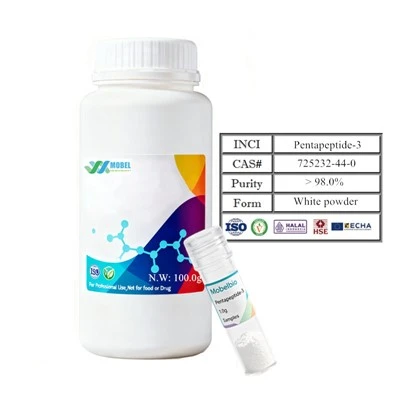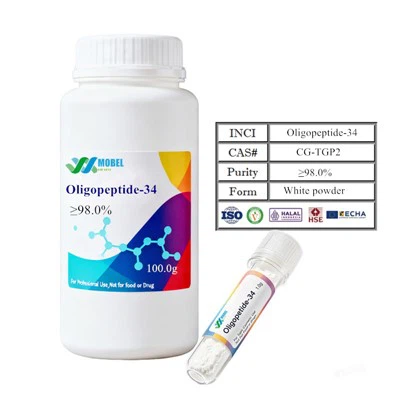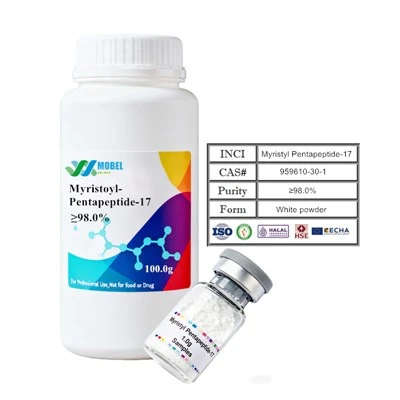
In the global skincare ingredient sector, cosmetic peptides have established themselves as a core category of high-value active compounds. Driven by increasing demand for scientifically validated and performance-oriented formulations, procurement teams are placing greater emphasis on peptide classification, functionality, and supply reliability.
For buyers, understanding the main types of cosmetic peptides is essential not only for product development decisions but also for building differentiated brand portfolios in a highly competitive market.
Signal Peptides
Signal peptides are designed to stimulate the skin's natural repair mechanisms by encouraging the production of collagen, elastin, and other structural proteins. They are widely recognized for their role in improving skin firmness, elasticity, and overall texture.
From a purchasing perspective, signal peptides are among the most established and commercially validated categories. Their consistent performance and strong clinical backing make them a preferred choice for anti-aging product lines, particularly in premium skincare segments.
Carrier Peptides
Carrier peptides function by delivering essential trace elements-such as copper and magnesium-directly into skin cells. These minerals support enzymatic processes that are critical for tissue repair and skin regeneration.
For procurement professionals, carrier peptides are valued for their multifunctionality. They are frequently incorporated into restorative and barrier-repair formulations, where long-term skin resilience is a key selling point.
Neurotransmitter-Inhibiting Peptides
This category of peptides works by reducing the intensity of muscle contractions that contribute to expression lines. Often described in marketing as "botox-like peptides," they offer a non-invasive approach to wrinkle reduction.
Demand for neurotransmitter-inhibiting peptides continues to grow in the high-end anti-aging market. Buyers are particularly interested in this segment due to its strong consumer appeal and positioning in premium cosmetic products.
Enzyme-Inhibiting Peptides
Enzyme-inhibiting peptides help slow down the degradation of collagen and other structural components in the skin by regulating enzymatic activity. This contributes to maintaining skin integrity and delaying visible signs of aging.
From a sourcing standpoint, these peptides are increasingly used in preventive skincare formulations. Their role in long-term skin maintenance makes them attractive for brands focusing on daily-use anti-aging solutions.
Market Outlook
The cosmetic peptide market is undergoing continuous expansion, supported by advances in biotechnology and increasing demand for high-performance skincare actives. Suppliers capable of offering stable quality, scalable production, and strong technical documentation are gaining a clear competitive advantage.
For global buyers, cosmetic peptides represent more than functional ingredients-they are strategic assets that enable product differentiation, premium positioning, and long-term brand growth in the evolving skincare landscape.