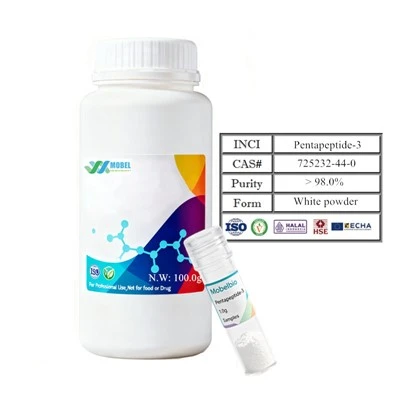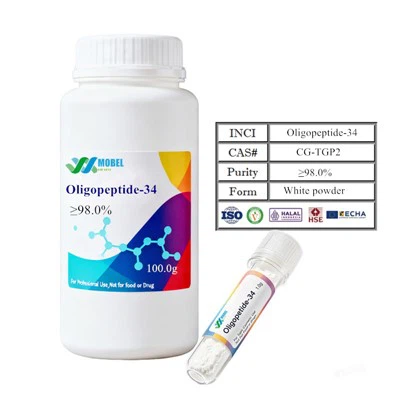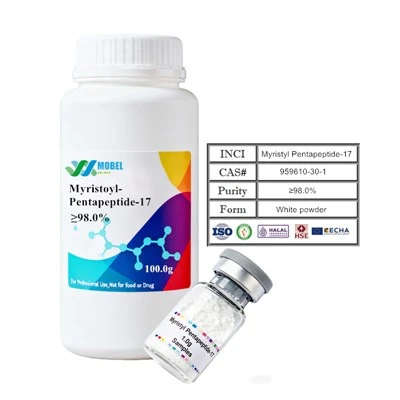
Against the backdrop of continuous advancement in functional skincare ingredients, cosmetic peptides have emerged as one of the most strategically important actives in modern formulation development. For procurement professionals, peptides represent not only a scientific direction but also a key driver of product differentiation and market competitiveness.
From an industry application perspective, the advantages of cosmetic peptides can be summarized in several key dimensions:
First, they offer high target specificity. Through defined amino acid sequences, peptides interact with cellular receptors in the skin to activate precise biological pathways, such as stimulating collagen production, improving wrinkle appearance, or reinforcing the skin barrier. This targeted mechanism of action makes them highly valuable in premium skincare formulations.
Second, they demonstrate excellent safety and skin compatibility. Compared with many traditional actives, peptides generally exhibit low irritation potential and high structural stability, making them suitable for a wide range of skin types, including sensitive skin. This significantly enhances consumer acceptance and reduces formulation risk.
Third, they provide strong formulation flexibility. Cosmetic peptides can be incorporated into various product formats, including serums, creams, masks, and emulsions, without compromising system stability. This adaptability makes them highly favored in product development pipelines.
In addition, peptides benefit from continuous technological evolution. Advances in biosynthesis and molecular modification technologies are enabling the development of next-generation peptide ingredients, offering brands ongoing opportunities for innovation and product differentiation.
From a procurement standpoint, suppliers with stable manufacturing capabilities, validated efficacy data, and robust regulatory compliance systems are better positioned to succeed in the global market. As a result, cosmetic peptides are increasingly becoming a bridge between scientific innovation and commercial application.