


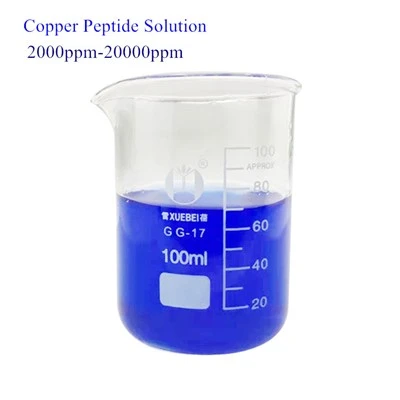
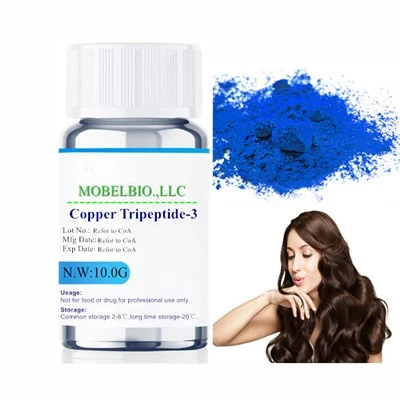
Copper peptides are a group of small protein fragments that contain copper ions bound to them. These molecules play a crucial role in wound healing, angiogenesis (the formation of new blood vessels), and the stimulation of collagen synthesis. In dermatology, copper peptides are particularly valued for their anti-aging effects, as they promote the production of elastin and hyaluronic acid, which contribute to skin elasticity and hydration.
Benefits of Copper Peptides
Wound Healing: Copper peptides play a crucial role in the body's natural healing processes. Studies have shown that they stimulate fibroblasts, cells that produce collagen and other connective tissue proteins necessary for wound repair.
Anti-Aging Properties: They are known for promoting the production of collagen and elastin, which are essential components of youthful skin. This helps to reduce the appearance of fine lines and wrinkles.
Skin Regeneration: Copper peptides have been found to enhance the regeneration of skin cells and to support the overall health of the skin by improving blood flow and stimulating cell growth.
Antioxidant Effects: These molecules can act as antioxidants, helping to protect the skin against oxidative stress caused by free radicals, which contribute to aging and can lead to skin damage.
Inflammation Reduction: Copper peptides may help reduce inflammation in the skin, which is beneficial for treating conditions such as acne, rosacea, and dermatitis.
Hair Growth Stimulation: Research suggests that copper peptides may promote hair growth and strengthen hair follicles, which could be helpful for treating conditions like alopecia.
Immune System Support: They are involved in immune responses and may help modulate inflammation and immune reactions, which is important for maintaining overall health.
Chronic Disease Prevention: Some studies have indicated that GHK-Cu might have protective effects against certain chronic diseases, although more research is needed to confirm these findings.





Why Choose Us
Expertise and Experience
Our team of experts have years of experience in delivering high quality services to our clients. We hire only the best professionals who have a proven track record of delivering exceptional results.
Quality Assurance
We have a rigorous quality assurance process in place to ensure that all our services meet the highest standards of quality. Our team of quality analysts checks each project thoroughly before it is delivered to the client.
State-of-the-art Technology
We use the latest technology and tools to deliver high quality services. Our team is well-versed in the latest trends and advancements in technology and uses them to provide the best results.
Competitive Pricing
We offer competitive pricing for our services without compromising on quality. Our prices are transparent, and we do not believe in hidden charges or fees.
Customer Satisfaction
We are committed to delivering high quality services that exceed our clients' expectations. We strive to ensure that our clients are satisfied with our services and work closely with them to ensure their needs are met.
One-stop service
We promise to provide you with the fastest reply, the best price, the best quality, and the most complete after-sales service.
What are copper peptides and how do they benefit the skin
Copper peptides are small fragments of protein that contain copper ions and are naturally present in the skin. They are created when larger proteins, such as collagen or elastin, are broken down by enzymes. The most well-known form of copper peptide is known as GHK-Cu (Glycyl-L-Histidyl-L-Lysine-copper).
When applied to the skin or taken orally, copper peptides offer several benefits due to their roles in cellular communication and signaling.
Promotes Wound Healing: Copper peptides stimulate the production of collagen and other extracellular matrix components, which are crucial for the repair and rejuvenation of skin tissues after injury or surgery.
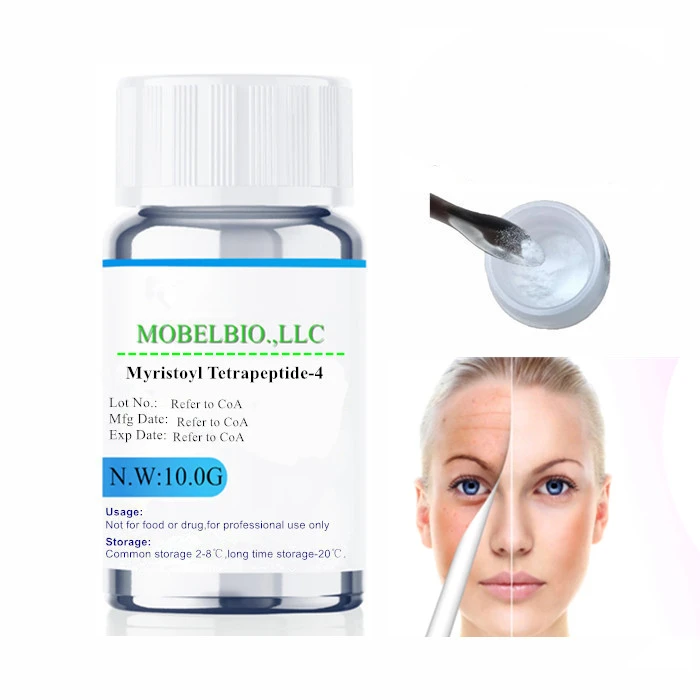
Anti-Aging: They are believed to help maintain the integrity and resilience of the skin by enhancing the synthesis of collagen and elastin, which can reduce the appearance of fine lines and wrinkles.
Boosts Cell Regeneration: Copper peptides encourage the proliferation of fibroblasts and keratinocytes, which are skin cells responsible for producing the structural components of the skin. This can lead to improved skin texture and firmness.
Antioxidant Protection: They possess antioxidant properties that can help shield the skin from oxidative stress caused by free radicals, thereby reducing cellular damage and slowing down the aging process.
Reduces Inflammation: Copper peptides may help modulate inflammation in the skin, which is beneficial for managing inflammatory skin conditions such as acne, eczema, and psoriasis.
Enhances Skin Barrier Function: They can strengthen the skin's barrier function, protecting it from dehydration and external aggressors, which contributes to overall skin health.
Improves Hair Health: Copper peptides have been shown to stimulate hair follicles and increase the diameter of hair strands, potentially leading to stronger, thicker hair.
How do copper peptides stimulate collagen production in the skin
Binding to receptors on fibroblasts: Fibroblasts are the cells responsible for producing collagen in the skin. Copper peptides can bind to receptors on fibroblasts, which activates a signaling pathway that leads to the production of collagen.
Activating enzymes involved in collagen synthesis: Copper peptides can also activate enzymes involved in the synthesis of collagen, such as prolyl hydroxylase and lysyl oxidase. These enzymes are essential for the crosslinking of collagen fibers, which gives the skin its strength and elasticity.
Inhibiting matrix metalloproteinases: Matrix metalloproteinases (MMPs) are enzymes that can break down collagen and elastin in the skin. Copper peptides can inhibit the activity of MMPs, which can help protect the integrity of the skin matrix and prevent the breakdown of collagen.
Promoting the growth and migration of fibroblasts: Copper peptides can also promote the growth and migration of fibroblasts, which can help increase the production of collagen and improve the firmness and elasticity of the skin.
Can copper peptides help reduce the appearance of fine lines and wrinkles
Stimulating collagen production: As mentioned earlier, copper peptides can stimulate the production of collagen, which can help improve the firmness and elasticity of the skin. This can help reduce the appearance of fine lines and wrinkles by filling in the spaces between the skin cells.
Inhibiting matrix metalloproteinases: Matrix metalloproteinases (MMPs) are enzymes that can break down collagen and elastin in the skin. Copper peptides can inhibit the activity of MMPs, which can help protect the integrity of the skin matrix and prevent the breakdown of collagen. This can help reduce the appearance of fine lines and wrinkles by preventing the loss of skin elasticity.
Promoting skin repair: Copper peptides can also promote skin repair by stimulating the growth and migration of fibroblasts and keratinocytes. This can help reduce the appearance of fine lines and wrinkles by promoting the healing of wounds and scars.

Do copper peptides have antioxidant properties that protect the skin
Copper peptides, particularly GHK-Cu (Glycyl-L-Histidyl-L-Lysine copper), exhibit antioxidant properties that can help protect the skin. Antioxidants are substances that prevent or slow damage to cells caused by free radicals, which are unstable molecules generated by environmental factors such as UV light, pollution, and even normal metabolic processes within the body.
Direct Antioxidant Activity: Copper ions associated with GHK-Cu can donate an electron to free radicals, neutralizing them and thus preventing them from causing oxidative damage to cells and DNA.
Indirect Antioxidant Effects: GHK-Cu has been shown to induce the expression of genes encoding for antioxidant enzymes such as superoxide dismutase (SOD), catalase, and glutathione peroxidase. These enzymes are the body's natural defense system against oxidative stress.
Modulation of Inflammation: Oxidative stress can trigger inflammatory pathways in the skin, leading to damage and aging. GHK-Cu may have anti-inflammatory effects, which can indirectly protect the skin by reducing oxidative stress-induced inflammation.
Cellular Protection: Copper peptides can stimulate cell regeneration and protect cells from stress-induced damage, which includes protection against oxidative stress.
Can copper peptides improve skin elasticity and firmness
Copper peptides, particularly GHK-Cu (Glycyl-L-Histidyl-L-Lysine copper), have been studied for their effects on skin health and are believed to improve skin elasticity and firmness through several mechanisms:
Collagen and Elastin Production
Copper peptides are known to stimulate the production of collagen and elastin, which are two key proteins that provide structure and support to the skin. An increase in these proteins can lead to enhanced elasticity and firmer, more resilient skin.
Fibroblast Activation
Fibroblasts are cells responsible for synthesizing the extracellular matrix, including collagen and elastin. Copper peptides can activate fibroblasts and encourage them to produce more of these matrix components, contributing to improved skin texture and reduced signs of aging.
Wound Healing Properties
By promoting the healing of wounds and injuries, copper peptides can help restore the skin's integrity, which includes the restoration of elasticity and firmness.
Antioxidant Effects
Oxidative stress can weaken the skin and reduce its elasticity. Copper peptides have antioxidant properties that can help protect the skin from free radicals and reduce oxidative damage, which supports maintaining skin firmness and elasticity.
Inflammation Reduction
Chronic inflammation can lead to a breakdown of collagen, contributing to sagging skin. Copper peptides may have anti-inflammatory effects that can help preserve the skin's structure and firmness.
How do copper peptides promote wound healing in the skin
Stimulating cell growth and migration
As mentioned earlier, copper peptides can stimulate the growth and migration of fibroblasts and keratinocytes, which are the cells responsible for healing wounds. This can help speed up the healing process by increasing the number of cells involved in the repair process.
Inhibiting inflammation
Inflammation is a natural response to injury, but excessive inflammation can delay wound healing. Copper peptides can inhibit the inflammation process, which can help reduce redness, irritation, and inflammation in the wound site. This can help promote the healing process by creating a more favorable environment for cell growth and migration.
Promoting angiogenesis
Angiogenesis is the process of forming new blood vessels, which is important for providing nutrients and oxygen to the wound site. Copper peptides can promote angiogenesis, which can help improve the blood supply to the wound and promote the healing process.
Enhancing collagen production
Collagen is an important component of the skin matrix and is involved in wound healing. Copper peptides can enhance collagen production, which can help improve the strength and elasticity of the wound.

Can copper peptides help with skin discoloration or hyperpigmentation
Copper peptides may help with skin discoloration or hyperpigmentation by inhibiting the production of melanin. Melanin is the pigment that gives the skin its color, and an increase in melanin production can lead to skin discoloration or hyperpigmentation.
Inhibiting tyrosinase: Tyrosinase is an enzyme that plays a key role in the production of melanin. Copper peptides can inhibit the activity of tyrosinase, which can help reduce the production of melanin.
Reducing inflammation: Inflammation can increase the production of melanin, so reducing inflammation can help reduce the production of melanin. As mentioned earlier, copper peptides can inhibit the inflammation process, which can help reduce the production of melanin.
Protecting the skin from UV damage: UV radiation can increase the production of melanin, so protecting the skin from UV damage can help reduce the production of melanin. Copper peptides can enhance the skin's natural defenses against UV damage, which can help reduce the production of melanin.
How do copper peptides regulate melanin production in the skin
Copper peptides, specifically GHK-Cu (Glycyl-L-Histidyl-L-Lysine copper), have been suggested to influence melanin production in the skin through various biological pathways. Melanin is the pigment responsible for the color of the skin and is produced by specialized cells called melanocytes through a process called melanogenesis.
Tyrosinase Inhibition: Tyrosinase is the rate-limiting enzyme in the melanogenesis pathway, catalyzing the first step in melanin production. Some studies suggest that copper peptides may inhibit tyrosinase activity, which can lead to a reduction in melanin synthesis.
Melanocyte Proliferation and Migration Regulation: Melanocytes must proliferate and migrate to properly distribute melanin in the skin. Copper peptides have been found to influence cell behavior and may affect the proliferation and migration of melanocytes, which could indirectly impact melanin distribution.
Reactive Oxygen Species (ROS) Regulation: ROS play a role in the regulation of melanogenesis. Copper peptides possess antioxidant properties and can modulate the levels of ROS, which might influence the melanogenesis process.
Signal Transduction Pathways: Melanogenesis involves complex signal transduction pathways. Copper peptides may interact with certain pathways involved in melanogenesis, thereby regulating melanin production.
Can copper peptides be used as a preventive measure for skin aging
Copper peptides can be used as a preventive measure for skin aging, as they have been shown to have some potential benefits for the skin. Here are some of the ways copper peptides may help prevent skin aging:
Stimulating collagen production: As we mentioned earlier, copper peptides can stimulate the production of collagen, which is important for maintaining the elasticity and firmness of the skin. By keeping the skin more supple and youthful, copper peptides may help to prevent the appearance of fine lines and wrinkles.
Inhibiting MMP activity: MMP (matrix metalloproteinase) enzymes can break down collagen and elastin in the skin, contributing to the development of aging signs. Copper peptides may help to inhibit the activity of these enzymes, protecting the integrity of the skin matrix.
Boosting antioxidant defenses: Copper itself is an antioxidant, and copper peptides may also have antioxidant properties. By neutralizing free radicals, which can cause oxidative damage to the skin, copper peptides may help to protect the skin from premature aging.
Supporting skin repair and regeneration: Copper peptides can promote the growth and migration of skin cells, aiding in the repair and regeneration process. This can help to keep the skin healthy and better able to withstand the effects of aging.
However, it's important to note that while copper peptides may have some potential benefits, they are not a magic solution for preventing skin aging. A comprehensive skincare routine that includes sun protection, proper hydration, a healthy diet, and a lifestyle that minimizes stress is also essential.
Can copper peptides be used on the neck or décolletage area
Copper peptides can be used on the neck and décolletage area to target specific skin concerns, such as fine lines, wrinkles, and loss of firmness. These areas are often prone to aging due to exposure to sun and environmental factors, as well as repeated movement and expression.
Applying copper peptide serum: You can apply a copper peptide serum to the neck and décolletage area after cleansing and toning. Gently massage the serum into the skin using upward strokes until it is fully absorbed. You can use a serum that contains copper peptides alone or in combination with other ingredients that target specific skin concerns.
Using a copper peptide cream: You can apply a copper peptide cream to the neck and décolletage area as a daily moisturizer. The cream can provide additional hydration and nutrients to the skin while also delivering the benefits of copper peptides.
Using a copper peptide mask: You can use a copper peptide mask on the neck and décolletage area once or twice a week to provide an intense treatment. Apply the mask to the skin and leave it on for 10-15 minutes before rinsing it off.
Using a copper peptide neck cream: You can apply a copper peptide neck cream to the neck and décolletage area to target specific skin concerns such as loss of firmness and sagging. The cream can provide additional hydration and nutrients to the skin while also delivering the benefits of copper peptides.
Can copper peptides be used during pregnancy or while breastfeeding
The safety of using copper peptides during pregnancy or while breastfeeding is not well established. While copper is an essential nutrient for the body, the effects of copper peptides on a developing fetus or breastfed infant are not yet known.
It's always best to err on the side of caution when it comes to using any new skincare products during pregnancy or breastfeeding. Some ingredients may potentially be harmful to the baby, even in small amounts. To be safe, it's recommended to consult with your healthcare provider or a dermatologist before using copper peptides or any other new skincare product.
Your healthcare provider can assess your individual situation, consider the potential risks and benefits, and provide specific guidance based on the latest research and their professional expertise. They may recommend alternative skincare options that are considered safe for use during pregnancy and breastfeeding.
Remember, taking good care of your skin during this time is important, but the safety of your baby should always be the top priority.Stick to gentle, hypoallergenic skincare products that are specifically designed for use during pregnancy or breastfeeding, and follow your healthcare provider's advice. They'll be able to guide you towards the best choices for your skin and your baby's well-being.
Our Factory
Mobelbio.,llc have professional sales team, focus on quality and service, and we have achieved excellent performance over the years. Our company is committed to the development of international market , our products are mainly exported to many countries and regions, such as Europe, America, South-east Asia, the Middle East and Africa etc.
To help our clients order goods kinds of goods, our company now work with local reliable manufacturers and so that can help our clients save costs and avoid scammers.With years development, our company have won good reputation form our clients with our competitive quality but reasonable price.

Company Honours


FAQ
Q: Can copper peptides stimulate hair growth?
Q: Are copper peptides effective for both men and women?
Q: Can copper peptides help with different types of hair loss, such as androgenetic alopecia or alopecia areata?
Q: How long does it typically take to see results from using copper peptides for hair growth?
Q: Can copper peptides be used in combination with other hair growth treatments?
Q: Are there any side effects of using copper peptides?
Q: How should copper peptides be applied for hair growth?
Q: Can copper peptides be used on all hair types?
Q: Can copper peptides help with hair loss prevention?
Q: Can copper peptides reverse baldness?
Q: Can copper peptides be used as a preventive measure for hair loss?
Q: Can copper peptides be used on a sensitive scalp?
Q: Can copper peptides be used during pregnancy or breastfeeding?
Q: Can copper peptides help with skin conditions, such as acne or rosacea?
Q: Can copper peptides help with skin aging and the appearance of wrinkles?
Q: Can copper peptides help with skin firmness and sagging?
Q: Can copper peptides help with skin discoloration or hyperpigmentation?
Q: Can copper peptides be used on sensitive or compromised skin, such as after a chemical peel or laser treatment?
Q: Can copper peptides be used as a long-term skincare ingredient?
As one of the leading copper peptides manufacturers and suppliers, we warmly welcome you to buy or wholesale custom made copper peptides at low price from our factory. Contact us for more cheap products.
Copper Peptide Ghk Cu, Ahk Cu Peptide, Ghk Peptide