


Skin peptide refers to a type of small molecule peptide that can be used in cosmetics and has beauty effects. Peptides are fragments that make up proteins, consisting of amino acids connected by amide bonds in a specific sequence. In the context of skin care, peptides play a crucial role in the growth, development, and metabolism of the organism, as well as in the natural aging and care of the skin.
Benefits of Skin Peptide
Anti-Aging Properties
Peptides can stimulate collagen production, which helps to reduce the appearance of fine lines and wrinkles. By promoting cell regeneration and repair, peptides can help to restore a youthful look to the skin.
Improved Skin Elasticity
Peptides can increase skin elasticity by strengthening the skin's support structures. This can lead to firmer, more toned skin with a more even texture.
Wound Healing
Peptides play a crucial role in wound healing by promoting the growth of new tissue and repairing damaged skin. They can accelerate the healing process and reduce the risk of infection.
Reduced Inflammation
Certain peptides have anti-inflammatory properties that can help to soothe irritated skin and reduce redness and swelling.
Hydration
Peptides can attract and retain moisture in the skin, helping to keep it hydrated and plump. This can give the skin a dewy, healthy glow.
Skin Brightening
Some peptides have skin-lightening effects that can help to reduce the appearance of dark spots and hyperpigmentation.
Antimicrobial Properties
Peptides can act as natural antibiotics, killing or inhibiting the growth of bacteria that can cause acne and other skin infections.
Enhanced Skin Barrier Function
Peptides can strengthen the skin's barrier function, protecting it from harmful environmental stressors


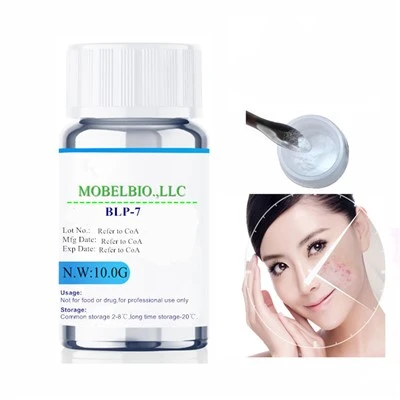

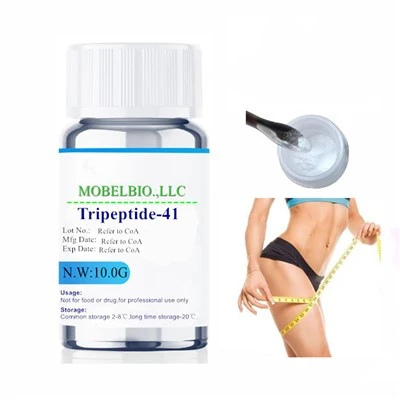


Why Choose Us
Expertise and Experience
Our team of experts have years of experience in delivering high quality services to our clients. We hire only the best professionals who have a proven track record of delivering exceptional results.
Quality Assurance
We have a rigorous quality assurance process in place to ensure that all our services meet the highest standards of quality. Our team of quality analysts checks each project thoroughly before it is delivered to the client.
State-of-the-art Technology
We use the latest technology and tools to deliver high quality services. Our team is well-versed in the latest trends and advancements in technology and uses them to provide the best results.
Competitive Pricing
We offer competitive pricing for our services without compromising on quality. Our prices are transparent, and we do not believe in hidden charges or fees.
Customer Satisfaction
We are committed to delivering high quality services that exceed our clients' expectations. We strive to ensure that our clients are satisfied with our services and work closely with them to ensure their needs are met.
One-stop service
We promise to provide you with the fastest reply, the best price, the best quality, and the most complete after-sales service.

What are skin peptides, and how do they differ from other types of proteins
Skin peptides are short chains of amino acids that are often used in cosmetic and skin care products. Unlike other types of proteins, which can be large and complex, peptides are smaller and more easily absorbed by the skin. This makes them great for delivering specific benefits, like increasing collagen production or reducing the appearance of fine lines and wrinkles.
Some common skin peptides include:
Collagen peptides: These can help boost collagen levels in the skin, which can improve elasticity and firmness.
Epidermal Growth Factor (EGF) Peptides: These can stimulate cell growth and renewal, helping to keep the skin looking younger and more radiant.
Arginine Peptides: These can help improve skin hydration and barrier function, making the skin look smoother and healthier.
It's important to note that while skin peptides can be beneficial for the skin, they're not a miracle solution. They work best when used in combination with other healthy skin care practices, like using sunscreen, eating a balanced diet, and getting enough sleep.
Can you explain the structure of a typical skin peptide
Sure! A typical skin peptide is made up of a series of amino acids linked together by peptide bonds. These amino acids can vary in type and sequence, which determines the specific properties and functions of the peptide.
The structure of a skin peptide might look something like this: [amino acid 1] - [amino acid 2] - [amino acid 3] - ... - [amino acid n]. The number of amino acids in a peptide can range from a few to dozens, depending on the specific peptide.
Some skin peptides are linear, meaning the amino acids are linked together in a straight line. Others might have a more complex structure, with branching or looped shapes. The shape and structure of a peptide can affect its ability to penetrate the skin and deliver its benefits.
For example, some peptides might be designed to mimic the structure of natural proteins in the skin, like collagen or elastin. By doing so, they can interact with the skin's cells and signaling pathways in a specific way to promote healthy skin function.

How does the skin naturally produce peptides
The skin naturally produces many different types of peptides, which play important roles in maintaining skin health and appearance. Here are some of the ways the skin produces peptides:
Fibroblast growth factors (FGFs)
These peptides are produced by fibroblasts in the dermis and are involved in cell growth, differentiation, and repair. FGFs can help promote the production of collagen and elastin, which are important for maintaining skin elasticity and firmness.
Transforming growth factor-β (TGF-β)
This peptide is produced by a variety of cells in the skin and is involved in cell growth, differentiation, and inflammation. TGF-β can help regulate skin pigmentation and may also have anti-inflammatory effects.
Platelet-derived growth factor (PDGF)
This peptide is produced by platelets and is involved in cell growth, differentiation, and migration. PDGF can help promote the healing of wounds and may also have anti-inflammatory effects.
What is the role of peptides in skin cell regeneration and repair
Collagen and Elastin Production
Certain peptides, such as copper peptides, are known to stimulate the synthesis of collagen and elastin, which are key components of the skin matrix. These proteins provide structure and elasticity to the skin, helping to maintain its integrity and resilience.
Wound Healing
Peptides are involved in the wound healing process. They promote the migration of fibroblasts and keratinocytes to the site of injury, which is essential for the restoration of the epidermal and dermal layers of the skin.
Anti-Inflammatory Effects
Some peptides exhibit anti-inflammatory properties, which can help soothe irritated skin and reduce redness and swelling associated with inflammation.
Anti-Aging
Peptides can counteract signs of aging by reducing the appearance of fine lines and wrinkles. They do this by promoting cell turnover, stimulating the production of hyaluronic acid for better skin hydration, and supporting the overall health of the skin barrier.
Cell Signaling
Peptides act as signaling molecules that can mimic the action of natural growth factors and hormones. By interacting with receptors on the surface of cells, they can initiate a cascade of cellular responses that lead to the regeneration of skin cells.
Regulation of Cell Cycle
Peptides can influence the cell cycle, thereby regulating the proliferation and apoptosis (programmed cell death) of skin cells. This balance is essential for maintaining healthy skin tissue.

Architectural design & planning cepteur sint occaecat cupidatat proident, Peptides can contribute to the formation of collagen and elastin in the skin in several ways. Here are some of the ways peptides can help promote collagen and elastin production:
Stimulating cell growth and differentiation: Some peptides, like fibroblast growth factors (FGFs) and Transforming growth factor-β (TGF-β), can stimulate the growth and differentiation of fibroblasts, which are the cells responsible for producing collagen and elastin.
Inhibiting matrix metalloproteinases (MMPs): Matrix metalloproteinases (MMPs) are enzymes that can break down collagen and elastin in the skin. Some peptides, like Matrixyl 3000 and Palmitoyl Tripeptide-5, can inhibit the activity of MMPs, which can help protect the integrity of the skin matrix.
Promoting the crosslinking of collagen fibers: Collagen fibers are held together by crosslinks, which give the skin its strength and elasticity. Some peptides, like copper peptides, can promote the formation of these crosslinks, which can help improve the firmness and elasticity of the skin.
In what ways can peptides reduce the appearance of fine lines and wrinkles
Stimulating Collagen Production: Peptides can signal skin cells to produce more collagen, a protein that provides structure and support to the skin, helping to keep it firm and reducing the visibility of wrinkles.
Promoting Elastin Formation: Similar to collagen, elastin gives the skin its elasticity. Peptides can encourage the production of elastin, which helps the skin to 'bounce back' after stretching, minimizing the appearance of lines and wrinkles.
Enhancing Skin Hydration: Peptides can stimulate the production of hyaluronic acid, a substance that retains moisture in the skin. Increased hydration plumps up the skin, smoothing out fine lines and wrinkles.
Supporting Natural Moisturizing Factors: Peptides may help maintain the skin's natural moisturizing factors, which can become depleted with age. This helps to maintain the skin's barrier function and can reduce transepidermal water loss, keeping the skin hydrated and smooth.
Inhibiting Muscle Contraction: Certain peptides, known as neurotransmitter peptides, can mimic the effect of Botox by inhibiting the release of neurotransmitters that cause muscle contractions. This can lead to a temporary reduction in the muscle activity that contributes to the formation of expression lines and wrinkles.
Encouraging Cell Renewal: Some peptides can stimulate cell turnover, which helps to replace older, damaged skin cells with newer, healthier cells. This can lead to a smoother complexion and a reduction in the appearance of wrinkles.
Antioxidant Protection: Peptides with antioxidant properties can protect the skin from oxidative stress caused by free radicals. This can prevent premature aging and help maintain the integrity of the skin matrix, which supports the skin's structure.
How do peptides enhance wound healing in the skin

Stimulating cell growth and migration
Some peptides, like Fibroblast growth factors (FGFs) and Platelet-derived growth factor (PDGF), can stimulate the growth and migration of fibroblasts and keratinocytes, which are the cells responsible for healing wounds.
Inhibiting inflammation
Inflammation is a natural response to injury, but excessive inflammation can delay wound healing. Some peptides, like TGF-β, can inhibit the inflammation process, which can help promote wound healing.
Promoting angiogenesis
Angiogenesis is the process of forming new blood vessels, which is important for providing nutrients and oxygen to the wound site. Some peptides, like VEGF, can promote angiogenesis, which can help improve the healing process.
Enhancing collagen production
Collagen is an important component of the skin matrix and is involved in wound healing. Some peptides, like copper peptides, can enhance collagen production, which can help improve the strength and elasticity of the wound.
Peptides are short chains of amino acids that play a crucial role in cell signaling and are involved in various biological processes. In skincare and cosmetics, peptides are touted for their ability to promote collagen production, enhance skin firmness, and reduce the appearance of fine lines and wrinkles.
Dark circles under the eyes can be caused by a variety of factors, including genetics, thin skin around the eyes, aging, lack of sleep, dehydration, allergies, and lifestyle factors such as smoking. While there is no definitive cure for dark circles under the eyes, certain peptide-based products may help to improve their appearance by reducing inflammation, hydrating the skin, and increasing collagen production.
Studies suggest that peptides can help to increase collagen production, which may help to plump up the skin and reduce the visibility of dark circles. Additionally, peptides can help to reduce inflammation, which can contribute to dark circles by causing swelling and redness.
However, it's important to note that the effectiveness of peptides for reducing dark circles can vary depending on the individual and the specific product being used. It's always a good idea to consult with a dermatologist or skincare professional before starting any new skincare routine, especially if you have sensitive skin or underlying health conditions.
In conclusion, while peptides may offer some benefits for reducing the appearance of dark circles under the eyes, it's important to approach them with realistic expectations and to use them as part of a comprehensive skincare routine that includes other proven methods for reducing dark circles, such as adequate sleep, hydration, and a healthy diet.

Can peptides be used to treat sensitive or reactive skin types
Yes, peptides can be used to treat sensitive or reactive skin types. Here are some of the ways peptides can help soothe and protect sensitive skin:
Reducing inflammation
Some peptides, like TGF-β, can inhibit the inflammation process, which can help reduce redness, irritation, and inflammation in sensitive skin.
Enhancing the skin barrier
The skin barrier is the outer layer of the skin that helps protect it from environmental aggressors. Some peptides, like palmitoyl tripeptide-5, can enhance the skin barrier, which can help reduce sensitivity and improve skin hydration.
Promoting skin repair
Some peptides, like Fibroblast growth factors (FGFs) and Platelet-derived growth factor (PDGF), can stimulate cell growth and migration, which can help promote skin repair and reduce the appearance of scars and blemishes.
How do peptides interact with other ingredients in skincare products
Peptides in skincare products can interact with other ingredients in several ways to enhance their overall effectiveness. When formulating skincare products, manufacturers carefully select and combine ingredients to create synergistic effects that can optimize the benefits for the skin.
Collaborative Action: Peptides often work best when combined with other active ingredients that target similar skin concerns. For instance, when combined with antioxidants like vitamin C or E, peptides may help protect the skin from oxidative stress and further enhance collagen synthesis.
Enhanced Penetration: Certain ingredients can help improve the delivery of peptides into the skin. Hyaluronic acid, for example, can attract and retain moisture, which might create a more conducive environment for peptides to penetrate the skin effectively.
Time Release Technology: Some skincare products utilize encapsulation technology, which can release peptides slowly over time. This sustained release can prolong the activity of peptides and allow for a more gradual and consistent effect on the skin.
pH Level Adjustment: The pH of a formulation can affect the stability and efficacy of peptides. Adjusting the pH to match the natural pH of the skin can help peptides maintain integrity and function optimally once applied.
Buffering Agents: These can help maintain a stable pH within the formulation, which is essential for the activity of peptides since they can be sensitive to changes in pH.
Solubility Enhancers: Ingredients such as glycols and urea can enhance the solubility of peptides, ensuring they remain in a usable state within the product.
Anti-Inflammatory Ingredients: When peptides are combined with anti-inflammatory agents like green tea extract or licorice root, they can work together to reduce redness and irritation, providing a calmer canvas for peptides to exert their rejuvenating effects.
Moisturizing Components: Humectants and emollients can keep the skin hydrated, which is particularly important for the fragile skin under the eyes. A well-hydrated skin surface may also improve the appearance of dark circles.
It's important to note that while these interactions can enhance the performance of peptides, the formulation process must be carefully managed to avoid potential negative interactions that could degrade the effectiveness of either the peptides or the other ingredients. Additionally, the concentration, molecular weight, and sequence of amino acids in the peptides will influence their interaction with other ingredients and their overall impact on the skin.
When using skincare products containing peptides, it's advisable to follow the recommended usage instructions and consider consulting with a skincare professional or dermatologist, especially for individuals with sensitive skin or specific skin conditions.
How long does it typically take to see results from using peptide-based skincare products
The time it takes to see results from using peptide-based skincare products can vary depending on several factors, including skin type, the specific product being used, and the individual's skin care routine. Generally, noticeable improvements may begin within a few weeks to a couple of months of consistent use.
Peptides are known for their ability to stimulate collagen production and improve skin texture, firmness, and elasticity. These effects can take time as the skin regenerates itself at a cellular level. Users might start to notice a reduction in fine lines and wrinkles, an improvement in skin tone and texture, and a more radiant appearance.
It's important to note that while peptides are beneficial for many skin concerns, they are not a cure-all. Results can be enhanced by using other skincare ingredients that complement peptides, such as retinoids, antioxidants, and hyaluronic acid, and by maintaining a consistent and healthy skincare routine.
Additionally, individual results may vary, and some users may notice changes sooner than others. It's recommended to use peptide-based skincare products as part of a comprehensive skincare regimen and to have realistic expectations regarding the timeframe for seeing results. If there are concerns about the effectiveness of a particular product or if significant skin concerns exist, consulting with a dermatologist or skincare professional is advisable.
Our Factory
Mobelbio.,llc have professional sales team, focus on quality and service, and we have achieved excellent performance over the years. Our company is committed to the development of international market , our products are mainly exported to many countries and regions, such as Europe, America, South-east Asia, the Middle East and Africa etc.
To help our clients order goods kinds of goods, our company now work with local reliable manufacturers and so that can help our clients save costs and avoid scammers.With years development, our company have won good reputation form our clients with our competitive quality but reasonable price.

Company Honours


FAQ
Q: What are skin peptides?
Q: How do skin peptides benefit the skin?
Q: How do peptides stimulate collagen production?
Q: Can peptides help with skin aging?
Q: Are peptides effective in reducing dark spots or hyperpigmentation?
Q: Can peptides improve skin hydration?
Q: Are peptides suitable for all skin types?
Q: Can peptides help with acne-prone skin?
Q: How long does it take to see results from using peptides?
Q: Can peptides be used in combination with other skincare ingredients?
Q: Are there any side effects of using peptides?
Q: Can peptides penetrate the skin barrier?
Q: Can peptides be used during pregnancy or breastfeeding?
Q: How should peptides be incorporated into a skincare routine?
Q: Can peptides be used during the day and at night?
Q: Are peptides stable in skincare products?
Q: Can peptides be used on other parts of the body besides the face?
Q: Can peptides replace other skincare ingredients like retinol?
Q: Are peptides only found in skincare products?
Q: Can peptides be used by people of all ages?
As one of the leading skin peptide manufacturers and suppliers, we warmly welcome you to buy or wholesale custom made skin peptide at low price from our factory. Contact us for more cheap products.
Protein Peptide Powder, Anti Aging Ingredients, Creatine Monohydrate Powder